Table Of Content

Adults get baby hair due to a short anagen (hair growth) phase. With a short anagen phase, the baby hair cannot grow as long as the terminal hair and cover the scalp. When it comes to choosing the right styling product for your baby hairs, consider your hair type and the look you're wanting to achieve.
My mom cut my baby's hair with out my permission -- she did a half a-- job - New York Post
My mom cut my baby's hair with out my permission -- she did a half a-- job.
Posted: Wed, 20 Sep 2023 07:00:00 GMT [source]
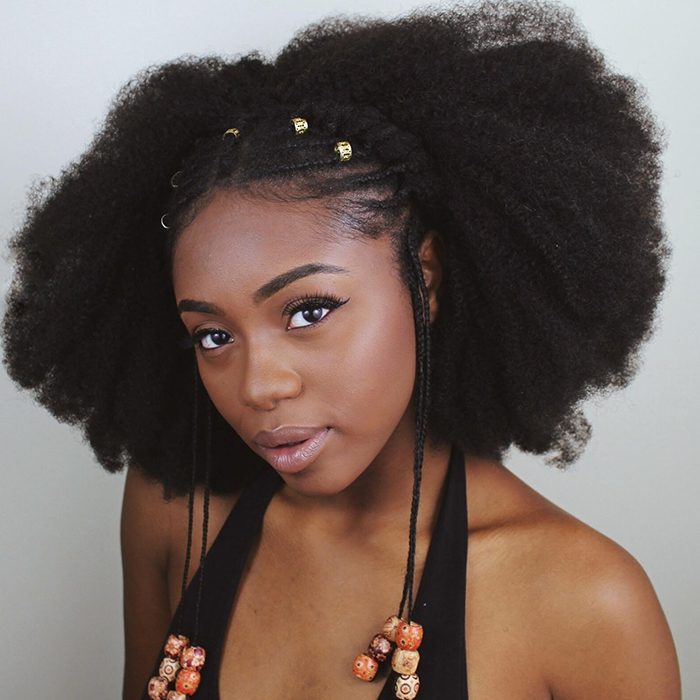
Gelled-Up Curls
Amp up your hair styling game and manage those delicate baby hairs the right way. Your baby’s crowning glory is studded with crusty, scaly, sometimes oily patches of what looks like hardened dandruff? Doctors aren’t exactly sure what causes it, but many suspect yeast or hormonal changes that make the scalp produce more oil. If you want to grow your baby hairs, there are potential ways for doing so. Just keep in mind that genetics does play a large part in their placement and length and, as such, you can only do so much to contribute to their growth. In discussing hair damage, we briefly touched on tension and how that can impact hair growth.
Half-Up, Fully Styled
Other baby hairs that are shorter, lighter, and finer may grow in to take their place. If you’re breastfeeding, it’s important that you maintain a healthy diet, too. Your diet is essential to your baby’s growth and development. Luckily, the exogen phase is usually followed rather quickly (or even simultaneously) by new hair growth. But the baby hair that grows in may be nothing like your little one’s newborn locks.
What’s the deal with newborn hair?

This is because regular grooming can loosen cradle cap and remove dry skin. There is a huge range of ‘normal’ when it comes to baby hair. Some babies are born with a full head of hair and then lose much of it in the first six months (though some never do). It is also normal to lose more hair on the back of the head and to keep this bald spot longer.
Apply coconut oil
It’s not uncommon, for example, for light hair to come in darker, straight hair to come in curly, or thick hair to come in thin — and vice versa. Genetics and your baby’s own hormones help determine which it will be. Experts agree that treatment is unnecessary and most hair that’s lost in the first few months of life is regained during months 6 to 12.
However, sometimes, it may also signal the beginning of androgenetic alopeciai XA genetic disorder that causes hair fall in both men and women. It mainly affects the top and front portions of the scalp. And whatever you do, don’t forget to keep a lock of that precious baby hair. You can put it in a scrapbook, a trinket box, or a locket.

As for when she’ll start sporting a permanent load of locks? Exactly when that happens can be anyone’s guess — it’s different for every child. Some get a great new head of hair by 6 months, some not for two or three years. And even if those strands are sparse early on, it doesn’t mean your child’s hair will be thin when she’s older. If your baby’s hair keeps falling after 6 months, check with your doctor for possible other problems like nutritional deficiencies, autoimmune diseases, or fungus.
I mentioned the use of minoxidil above when discussing blood flow, but minoxidil actually has quite a few mechanisms for promoting hair growth. If you want to promote healthy growth of your baby hairs, then take a look at the tips below. Tension alopecia occurs when hair, typically those at the hairline, are pulled tightly on a regular basis.
Multipurpose by design, the Pipette Baby Oil acts as a nourishing conditioner with its baby-safe and replenishing formula, which is expertly crafted to support and nurture your little one’s developing skin. Comprised of açaí berry sterols, vitamin E, ceramides and squalane, this fragrance-free and non-toxic baby oil restores balance and moisture to your baby’s scalp and skin. Styling the hair along your edges is popular today, but it's—by no means—new. According to Crowned researchers, Josephine Baker sparked the popularity of styled edges with hairstyles that featured gelled-down edges in swoop-like patterns. Baker even made 3D edge styling with decals and accessories popular in the 1900s.
During performances and appearances, and even on the cover of her “Pillow Talk” album, the singer and cofounder of Sugar Hill Records showcased face-framing wispy baby-hair looks. Give your high puff some extra drama by adding swoops and S-shaped swirls along the front of your hairline. Laser hair removal works best if you have dark hair and light skin, according to the American Academy of Dermatologists.
But after birth, those hormones drop, triggering hair loss in your baby — and even yourself. Your baby is born with all the hair follicles they’ll ever have. A hair follicle is part of the skin from which hair strands grow.
With the above tricks in mind, styling your baby hairs should prove much more manageable. But sometimes your hair has a mind of its own and does what it wants no matter the work you put into it, and that's okay! Instead of slicking them back and hiding them out of the way all the time, embrace your baby hairs from time to time by making them a focal point of your look.
The oil produced by the scalp’s sebaceous glands interferes with their natural hair-shedding cycle, resulting in scaly patches, but this is easily treated. Around this time, infant hair that began as black or dark brown may lighten to lighter brown or even blonde locks, or light hair may become darker. If your baby has been bald since shedding their hair earlier, hair may now begin to grow back anywhere between 3 and 7 months of age.
One of the joys of pregnancy is imagining how your newborn will look. In your mind’s eye, you might even picture your baby with a full head of hair. "Smooth your baby hairs down with the brush side and create a shape with the rat tail," says Fesa who typically finishes off the shape with her fingers. Our favorite edge tool is the Best of Beauty-winning Baby Tress Edge Styler, and Lopez loves the Edge Brush from Pattern Beauty. Whether your baby is born bald and stays that way for a while or comes out with a long, luxurious mane, her hair situation will likely change. In the meantime, give that sweet little head plenty of kisses and take lots of pictures.