Table of Content
An evening of Korean-inspired grilling isn't complete without beer and soju. Lagers like OB, Hite and Cass are great when served ice cold. Meanwhile, soju, Korean liquor, comes in 375- and 750-milliliter green glass bottles; the traditional goes down super smooth, and the fruit-flavored ones can be downright dangerous.

One of Bobby Yoon's favorite store-bought marinades is from CJ Foods. The sweet marinade can be used on short ribs, chicken, and more. Korean barbecue might be my favorite way to grill. More than just a grilling technique, it's a multi-part and multi-sensory social experience, enjoyed among friends and family gathered around the table.
The Origins of Trendy KBBQ
At restaurants, the grill is built into the table, but at home, you can recreate the setup by using a portable butane stove with a grill plate or an indoor portable grill. Tongs – These are for both grabbing meats to put on the grill and using them to grill the meats on the grill. Usually you’ll only get one or two sets of tongs at the restaurant and someone will take care of the grilling while everyone else relaxes and eats. Two pairs ensures that you use one for raw meat and one for meat that is cooked. If you’ve ever been to a Korean restaurant you know Banchan. They are absolutely a key part of Korean barbecue.
Banchan imbues the bites of meat with its soul-satisfying quality. These funky, fresh, crunchy, pickled, fermented, sweet, and savory side plates are what make Korean BBQ everyone's favorite meal—you can tailor each bite to suit your own unique palate. Funky taste buds can revel in kimchi and fermented chili paste. Lovers of veggies can add spinach, mung bean sprouts, or cucumber salad. Sweet sauces and pickles please those on the sweeter side of the spectrum. Savory pancakes, fish cakes, and seasoned egg also hit the spot.
Korean Barbecue Compound Butter
You can see more of her testing process and other behind-the-scenes of being a product journalist on her Instagram @connayreviews. She combined rigorous testing methods, conversations with professionals, and active knowledge of the home and kitchen space to help readers get the most out of their money. Wash down the salty richness of Korean BBQ with soju, beer, and makgeolli . Online, you can pick up these drinks from services like Drizly.
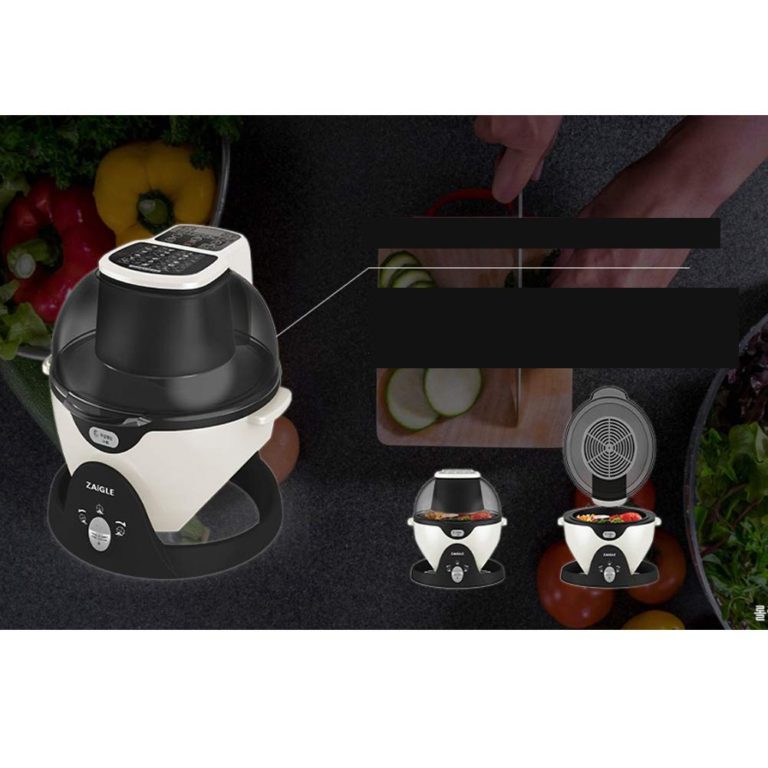
To keep smoke at a healthy level at home, make sure your windows are open and your hood fan is on. When you are ready to eat, make the rice and the noodles and set the table up with banchan, dipping sauces, rice, and noodles. Ssamjang, which means "dipping sauce" in Korean, often consists of grilled Korean BBQ bulgogi beef in a bed of lettuce, perilla, or steamed cabbage, among other ingredients .
Duck Meat
Dip the meat into a sauce of your choice and add on top of the daikon slice. This is a somewhat non-traditional way of eating KBBQ and is more common on the West Coast because rice paper was influenced by Vietnamese cuisine. Using rice paper is my favorite way of eating KBBQ. The table needs sauces and seasoning so everyone can customize to their hearts content.

If you don't want to fire up the grill, you can also prepare this dish on the stove or in the oven. Most Korean BBQs feature soju, a clear rice wine along with Korean beer. The culture features fun drinking games and many group cheers, or "geonbae!" which only enhances the celebratory sense of joy and togetherness that makes KBBQ so beloved. But you'll see why all KBBQ tables feature this ingenious tool. You simply lift up the meat with the tongs and snip it into bite-sized pieces that fall onto the grill to crisp up—all of the legit KBBQ masters wield scissors.
More Posts
In certain Korean restaurants, the grill used for this meat cut has a thick ring around the exterior filled with Kimchi, eggs, and cheese. The pork and the eggs cook at the same pace and are eaten together. You may alternatively leave the chicken meats unmarinated and have your visitors dip the bite-sized chicken slices in the condiments you'll be serving on the side.

"Grilling kimchi along with your pork belly is so good and I feel is a really underrated thing." And though it's fun and tempting to keep flipping the meats, "when cooking beef, you only flip once," said Yoon. Use high heat, cook one side until it browns, then flip it over and cook until medium-rare or medium. Pork is fattier and can get crispier, so he likes to flip it about three times on each side. Spicy, savory, and a little sweet, bulgogi sauce is commonly coated over brisket, sirloin, and ribeye, making these meats extra juicy and flavorful.
It's also smokeless so you don't need to turn on the fan in your kitchen. We'll go over each part below, along with product suggestions, where to buy ingredients, and cooking tips. With everything prepped and a guest list of hungry friends and family, you're ready for a DIY Korean barbeque night. We make sure they are fresh with top marbling and cuts. We always want to offer our catering customers the best by bringing the most highest quality responsibly farm-raised products from the most natural environments.
If you want to save money on a Korean BBQ restaurant or you don't have one nearby, the KBBQ experience is actually pretty easy to replicate at home. Korean BBQ is a fun, communal experience of grilling meat right at the dining table. My daughter invited us for a KBBQ dinner (yay, we’re finally ALL vaccinated!) so I’m going to surprise her with some authentic ingredients. Bulgogi beef, green onion “slaw” and some kimchi. If you have big meat eaters, plan on 1 pound of meat per person. If you’re having bone-in short ribs, double the amount of short ribs, because of bones.




No comments:
Post a Comment